Brain Omics Platform

To understand bipolar disorder, we study the biological tissue that it impacts.
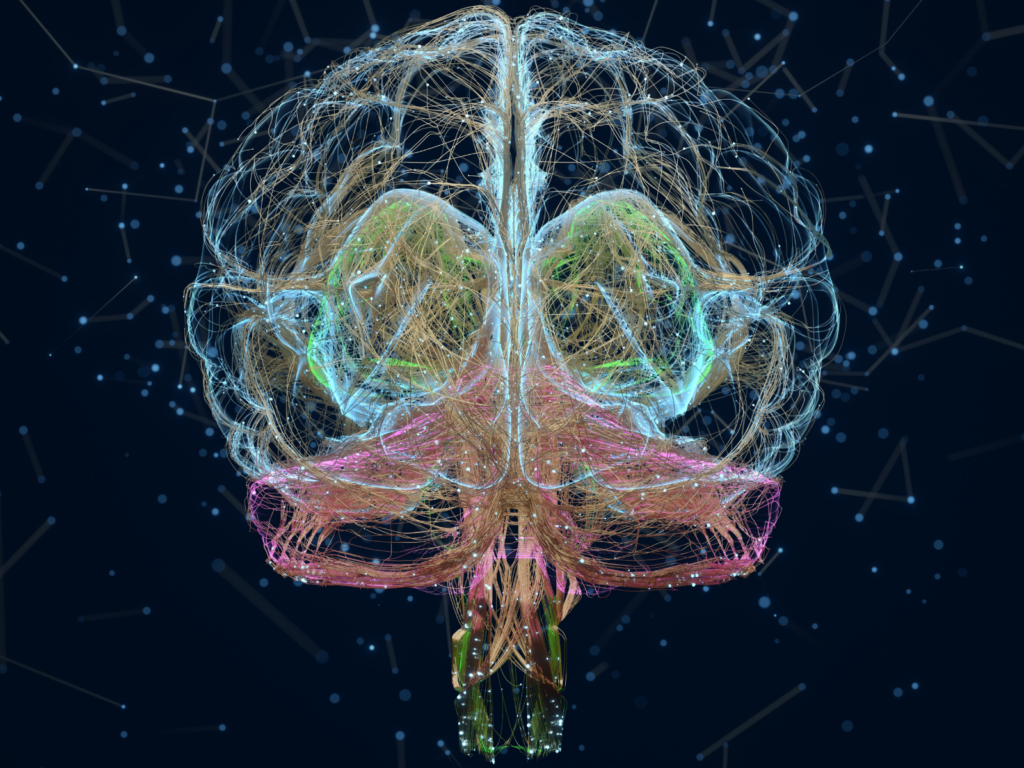
Bipolar disorder is complex and biologically diverse, yet its underlying brain biology has remained largely unexplored. The Brain Omics Platform applies state‑of‑the‑art multi‑omics to human brain tissue, unlocking biological insight that has long been out of reach.
By activating underutilized samples, BD² is building a molecular atlas that accelerates discovery and deepens understanding of bipolar disorder.
-
Dissection of Bipolar Disorder Pathophysiology Through Integration of Human Brain Multi-Omics

Study Rationale
The Brain Omics Platform is analyzing the cells of pertinent regions in postmortem human brain tissue from people who lived with bipolar disorder. They are gathering four types of data on 200 brains, including data on the DNA, epigenome, RNA, and protein. Together, these datasets are used to create a brain atlas for bipolar disorder, a resource that researchers can use to accelerate the understanding of how certain molecules contribute to the biology of bipolar.

Hypothesis
People with bipolar disorder have different molecular profiles in certain brain areas.

Study Design
The team is examining molecular changes in the brain samples of 200 donors, 100 with bipolar and 100 without. The study is focused on two brain regions important to mood regulation and bipolar disorder: the subgenual anterior cingulate cortex and basolateral amygdala. Experiments include whole genome sequencing, single-nucleus multiomics, proteomics, and spatial multiomnics.

Impact on Diagnosis & Treatment
This platform highlights the differences in the molecular make-up of the brains of people who lived with bipolar disorder. It is aiding in understanding cellular changes in bipolar disorder on a molecular scale, an approach used in other brain disorders but is unprecedented in bipolar disorder studies. It is also accelerating the development of novel interventions and promoting precision medicine through the use of molecular profiles to better identify and stratify differences within bipolar disorder.
Team




Project Outcomes
This project creates an important resource for the scientific community and allows researchers to see how molecules interact with different areas of the brain. BD² will use this tool to integrate with the 4,000 individuals in our longitudinal cohort study.