BD² Integrated Network
A collaborative model accelerating better care, interventions, and outcomes for people with bipolar disorder.

Our approach pairs deep scientific discovery with rapid translation into care by combining real-world clinical data with a comprehensive longitudinal research study.
The Model
BD² brings together an unprecedented depth of real‑world and research data from people with bipolar disorder to push beyond current scientific limits, unlock new treatment possibilities, and accelerate progress from insight to care.
Explore BD² Sites & Partners
The Data
We have released the first dataset from the BD2 Integrated Network that combines clinical, biological, neuroimaging, and real‑world behavioral data to transform understanding and improve care for people living with bipolar disorder. This dataset includes data from 615 participants across our initial six sites, forming the most comprehensive multimodal dataset ever created for a psychiatric condition.


Our Network
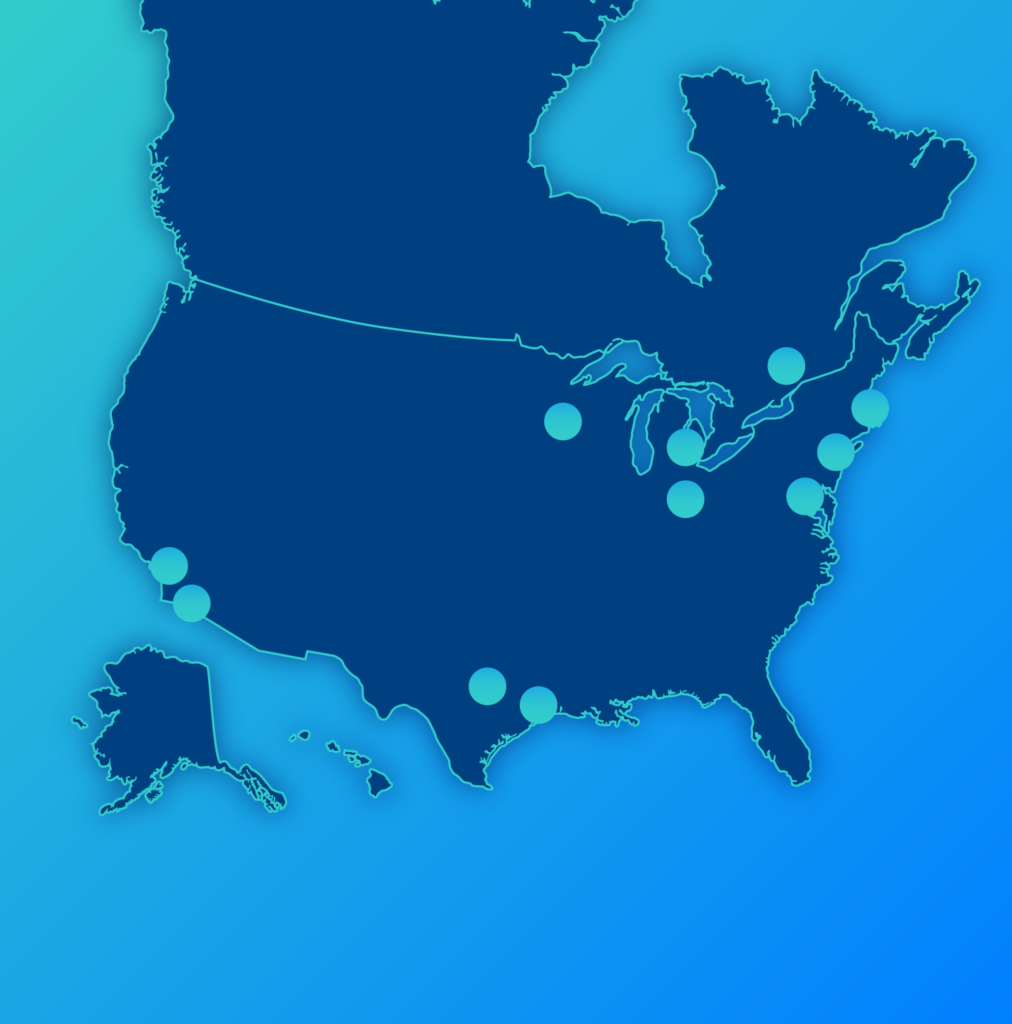
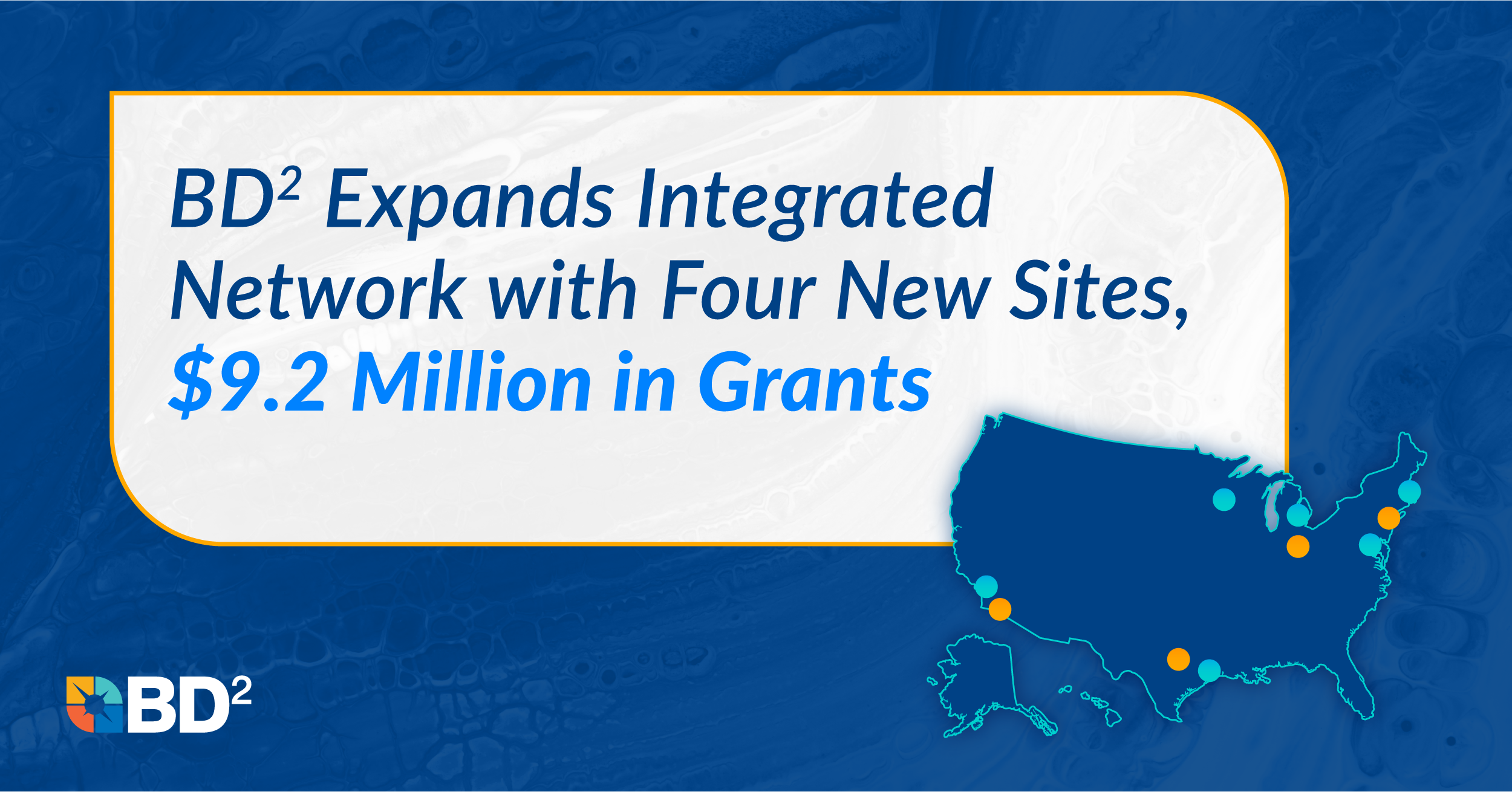
By connecting participants’ real‑world experiences with clinicians and researchers who share data across sites, we accelerate insight into the biology of bipolar disorder, identify biologically defined subtypes, and lay the foundation for more targeted treatments. The network spans 11 leading clinical institutions recognized for excellence in bipolar disorder research and care.

Study Design
Our model combines a longitudinal cohort study with a learning health system—linking people with bipolar disorder, their caregivers, and clinicians in a model that continuously advances understanding while directly improving care.

Our Approach
The BD² Integrated Network mobilizes collaborating clinicians and investigators to improve health and well‑being by:
- driving data‑informed improvements in care
- building a robust ecosystem of longitudinal clinical and biological data
- generating insights that fuel innovative interventions and treatments

Project Outcomes
Today, it can take 17 years for scientific discoveries to translate into meaningful care for people with bipolar disorder. The BD² Integrated Network is shortening that timeline and delivering better care for participants now while shaping improved care guidelines for all.

Who’s Involved
This network brings together leading bipolar disorder clinicians and researchers in a coordinated effort to advance care and improve outcomes for people living with the disorder. Each clinical site pairs proven experience in large‑scale bipolar disorder research with the capacity for meaningful participant enrollment and a shared commitment to equitable care and diverse representation in research.
-
Johns Hopkins University



-
Mass General Brigham-McLean


 Robert Gonzalez, MDClinical Lead
 -
Mayo Clinic



-
Ottawa Hospital Research Institute



-
The Feinstein Institutes for Medical Research



-
The University of Texas at Austin



-
The University of Texas Health Science Center at Houston



-
University of California Los Angeles



-
University of California San Diego



-
University of Cincinnati/Lindner Center of HOPE





-
University of Michigan




Key Partners
BD² partners with leading institutions and organizations that power the Integrated Network by bringing together data, biological samples, infrastructure, and advanced analysis to make large‑scale collaboration work.
-
Centralized Biosample Repository - Mayo Clinic Biobank
The centralized biosample repository provides the infrastructure for standardized biosample collection, processing, and testing by supporting high‑quality data generation and enabling genomic analysis across the network.

 Jordan WeyerMayo Clinic
 -
Clinical Coordinating Center - The Feinstein Institutes for Medical Research
The Clinical Coordinating Center coordinates clinical operations across sites, standardizing assessments and care protocols to ensure consistency, quality, and deep longitudinal insight across a diverse participant population. These assessments will provide our network with ongoing insight into the individual differences in bipolar disorder in over 4,000 participants across clinical sites over the next decade.


-
Data Coordinating Center - Indoc Research
The Data Coordinating Center delivers the platforms and processes that aggregate, curate, and share data across the network that unlock large‑scale analysis and accelerate insights into the complexity of bipolar disorder.
 Mojib Javadi, PhDIndoc Research
 -
Peer Support Provider - Depression and Bipolar Support Alliance (DBSA)
DBSA integrates peer support, community connection, and wellness tools into long‑term study participation and supports participants while generating insight into best practices for holistic, people‑centered care.